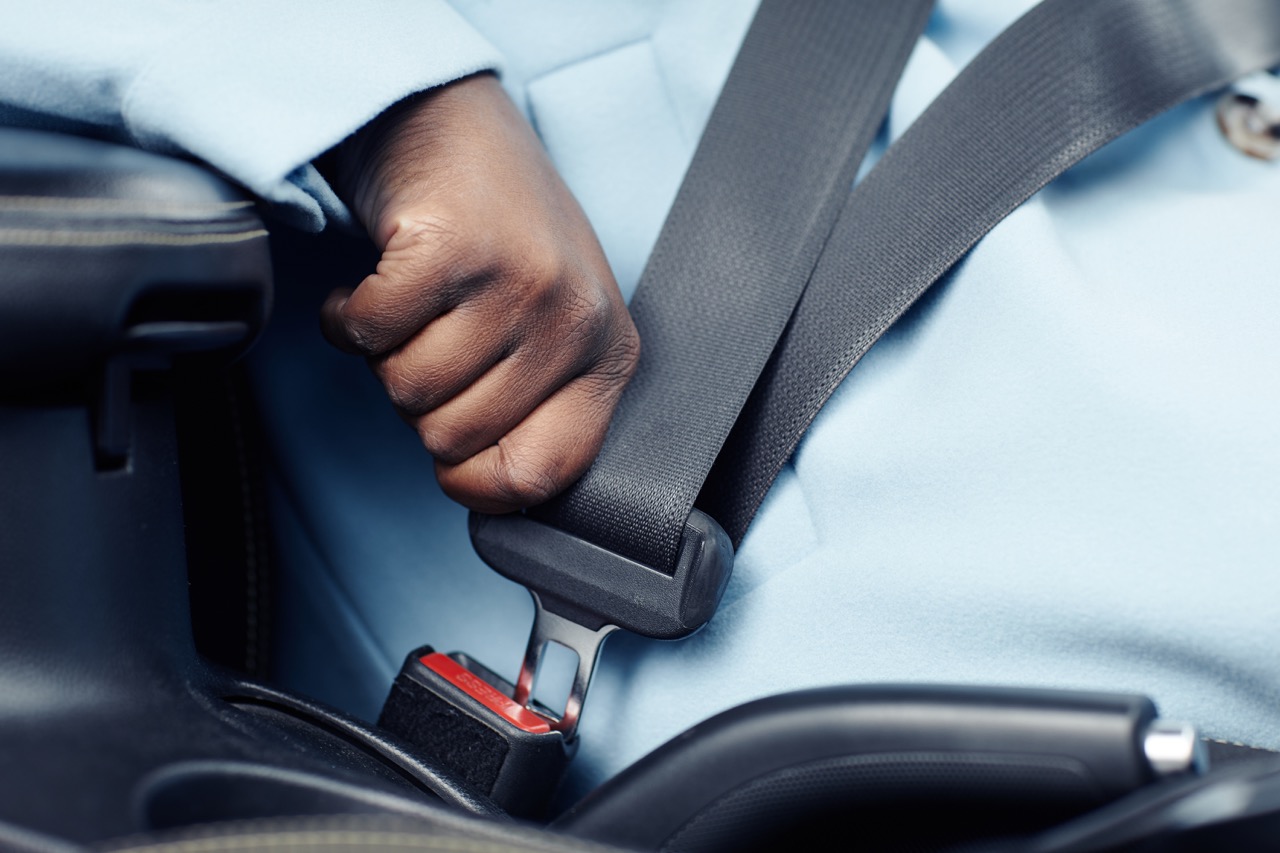
You may be asking yourself if you can still file a claim if you were not wearing a seatbelt. The short answer is yes, but you must understand how the insurance company may try to deny or reduce your claim.
Imagine driving home on the Atlanta Downtown Connector during heavy stop-and-go traffic. While traffic is stopped, you quickly unbuckle your seatbelt to grab your sunglasses that have fallen on the floorboard. Before you can fasten your seatbelt, you are struck from behind by a careless driver who was texting on their phone. Because you were not restrained at the time of the accident, you are thrown into the steering wheel and suffer whiplash and a concussion. Because you were not wearing your seatbelt, the insurance company may try to pay only a small percentage of your medical bills and other damages.
If you were injured in an accident, understanding the state’s comparative fault and seatbelt laws can help you understand your legal rights. This article explains how these laws may affect your ability to recover compensation and outlines common tactics insurance companies use during the claims process.
The Short Answer — Yes, You Can Still File a Claim
Contrary to what insurance companies would like you to believe, not wearing a seatbelt does not prohibit you from filing a Georgia personal injury claim. The state’s seatbelt law (O.C.G.A. § 40-8-76.1) requires motorists to wear seatbelts, but failing to use one does not relieve the at-fault driver of liability for causing an accident. Under state law, the other driver’s negligence is treated as a separate issue, aside from your lack of seatbelt use.
But the defense may try to use the “seatbelt defense” and argue that your injuries would have been less severe had you been wearing it. Because insurance companies often use aggressive tactics to reduce their liability, having an attorney on your side is essential. An experienced attorney can build a strong case that refutes the defense’s claims and supports your claim.
Georgia’s Seatbelt Law and the Limitation on Evidence
Under O.C.G.A. § 40-8-76.1, all front-seat occupants are required to wear seatbelts, and all passengers under 18 must also wear seatbelts in any seat. Even so, O.C.G.A. § 40-8-76.1(d) stipulates that failure to use a seatbelt cannot be used to reduce damages in a civil lawsuit. This is a Georgia-specific protection, as many other states allow the defense to try to directly reduce compensation for not wearing a seatbelt. When under consideration, the Georgia legislature chose to protect accident victims from recovering less compensation because they were not wearing a seatbelt. While the statute limits admissibility, the insurer’s defense may try to use other tactics to reduce your recovery.
How the Defense May Still Try to Use Seatbelt Evidence
Despite Georgia’s statutory limitations, insurance providers and their defense attorneys sometimes attempt to argue the seatbelt issue indirectly by using injury causation experts to strengthen their argument. Some of the most common arguments that defense experts may use include:
- Claiming certain injuries — such as being ejected from a vehicle, or contact with a dashboard or windshield — would not have occurred had a seatbelt been used.
- Trying to use non-seatbelt use as a way to attack your character or credibility during depositions.
Having an attorney is essential, as they can object to improper seatbelt evidence the defense tries to introduce. Your attorney can also file motions in limine to exclude the evidence and enforce statutory protection under O.C.G.A. § 40-8-76.1(d).
Even though the state statute provides strict legal protections, some judges have limited its application to specific circumstances. That said, having an experienced attorney matters.
How Comparative Negligence Interacts with Seatbelt Non-Use
Georgia’s modified comparative negligence rule (O.C.G.A. § 51-12-33) applies to all personal injury cases. Based on the law, non-seatbelt use is not supposed to be considered when determining fault. But the other driver’s defense may still try to present a comparative negligence argument based on other aspects of your driving, such as speeding, distracted driving, or failure to yield.
The 50% Bar
Under the state’s comparative negligence law, if you are found 50% or more at fault for causing the accident, you recover nothing. Even so, not wearing a seatbelt relates to the severity of an injury, not accident causation. Insurance companies commonly try to assign a higher percentage of fault to injury victims in order to pay less than claims are worth.
Tips for Protecting Your Claim If You Weren’t Wearing a Seatbelt
If you were not wearing a seatbelt at the time of the accident, there are several tips you should keep in mind to protect your claim:
- Do not voluntarily give any seatbelt information to the insurance company.
- Do not discuss the accident or non-seatbelt use on social media.
- If asked to provide a recorded statement, decline to answer unless your attorney is present.
- Obtain comprehensive medical documentation that provides clear details and causation from the impact. Doing so can make the seatbelt issue less relevant.
Your attorney can present expert witnesses such as accident reconstructionists to demonstrate that your injuries were caused by the force of the crash, not non-seatbelt use. Having a strong case is often the only way to protect your interests and prevent the defense from making arguments that damage your claim.
Worried that not wearing a seatbelt will hurt your case in Fulton County? Contact Durham Law Group at 404-845-3434 for a free, confidential evaluation.